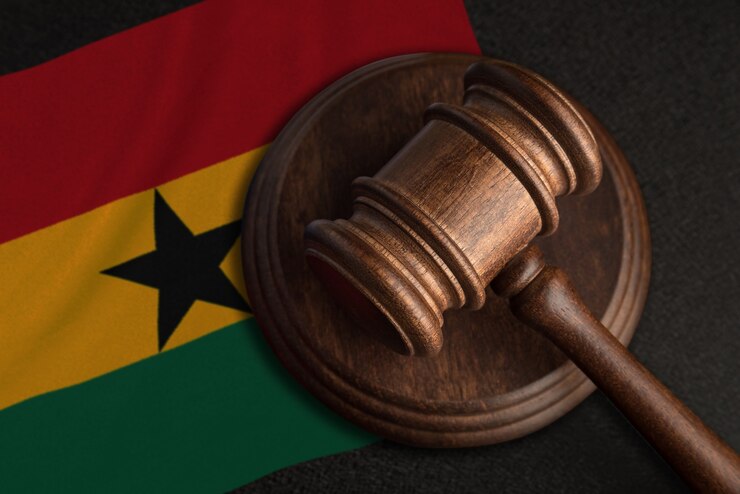

Ghana is once again at the center of a deeply concerning national debate over the rights and freedoms of its LGBTQ+ citizens and marginalized communities. Parliament has moved to reintroduce the Promotion of Proper Human Sexual Rights and Ghanaian Family Values Bill, widely referred to as the anti-LGBTQ+ bill, after it previously passed the house in February 2024 but lapsed with the dissolution of the Eighth Parliament. In February 2026, the Speaker directed that the bill be scheduled for reconsideration in the new Parliament, signaling renewed momentum for its enactment.
If brought into law, the bill would significantly expand the criminalization of LGBTQ+ identities and activities beyond existing colonial-era provisions that already criminalize same-sex intimacy under Ghana’s Criminal Code. Currently, consensual same-sex conduct between men is punishable by up to three years’ imprisonment. The proposed legislation would increase penalties, including imprisonment for up to five years simply for identifying as LGBTQ+ and impose even harsher sentences, in some cases up to ten years, for promoting, supporting, or facilitating LGBTQ+ causes or providing related services.
Beyond its penal provisions, the bill reflects a broader attempt to embed exclusion and discrimination at the heart of national law. It would criminalize allies, journalists, and civil society organizations who advocate for the rights and dignity of marginalized individuals, making the provision of healthcare, safe housing, employment support, or public solidarity actions potentially illegal. This creates an environment where every day acts of humanity could be treated as criminal offences, forcing individuals and organizations to choose between supporting vulnerable communities and facing severe legal consequences.
The ramifications for LGBTQ+ individuals and wider civil society in Ghana would be profound. Already, Ghanaian LGBTQ+ people face discrimination, violence, and social exclusion, and criminalizing identity and advocacy will only deepen these harms. The bill could deter individuals from accessing essential services, seeking medical care, and participating in public life for fear of arrest or harassment. It would further weaken the social fabric by legitimizing stigma and emboldening harassment, both online and offline, against people whose only “offence” is who they are or whom they love.
The broader human rights implications extend beyond the immediate target of the legislation. Civil liberties enshrined in Ghana’s 1992 Constitution, including freedom of expression, freedom of association, privacy, and equality before the law, are at risk if the state is empowered to criminalize peaceful speech, community organizing, and support networks. Human rights advocates have warned that laws of this nature threaten democratic norms by narrowing civic space, silencing dissenting voices, and undermining the rule of law.
Moreover, the potential economic impact cannot be ignored. International institutions such as the World Bank and the International Monetary Fund (IMF) have expressed concern that such legislation could jeopardize development funding and economic support if enacted, potentially costing Ghana billions in critical financing at a time when economic resilience is urgently needed.
For marginalized communities including LGBTQ+ persons, human rights defenders, women, youth activists, and others already navigating exclusion, the stakes could not be higher. This bill, if enacted, would not only criminalize identities and solidarity but also erode the dignity, safety, and fundamental freedoms of those pushed to the margins of society. As Ghana grapples with its democratic future, the collective response of citizens, civil society, policymakers, and international partners will determine whether the principles of equity, inclusion, and human rights prevail. Equity Net Ghana remains committed to amplifying these concerns, advocating for the protection of all Ghanaians, and championing a society where human rights are truly universal.