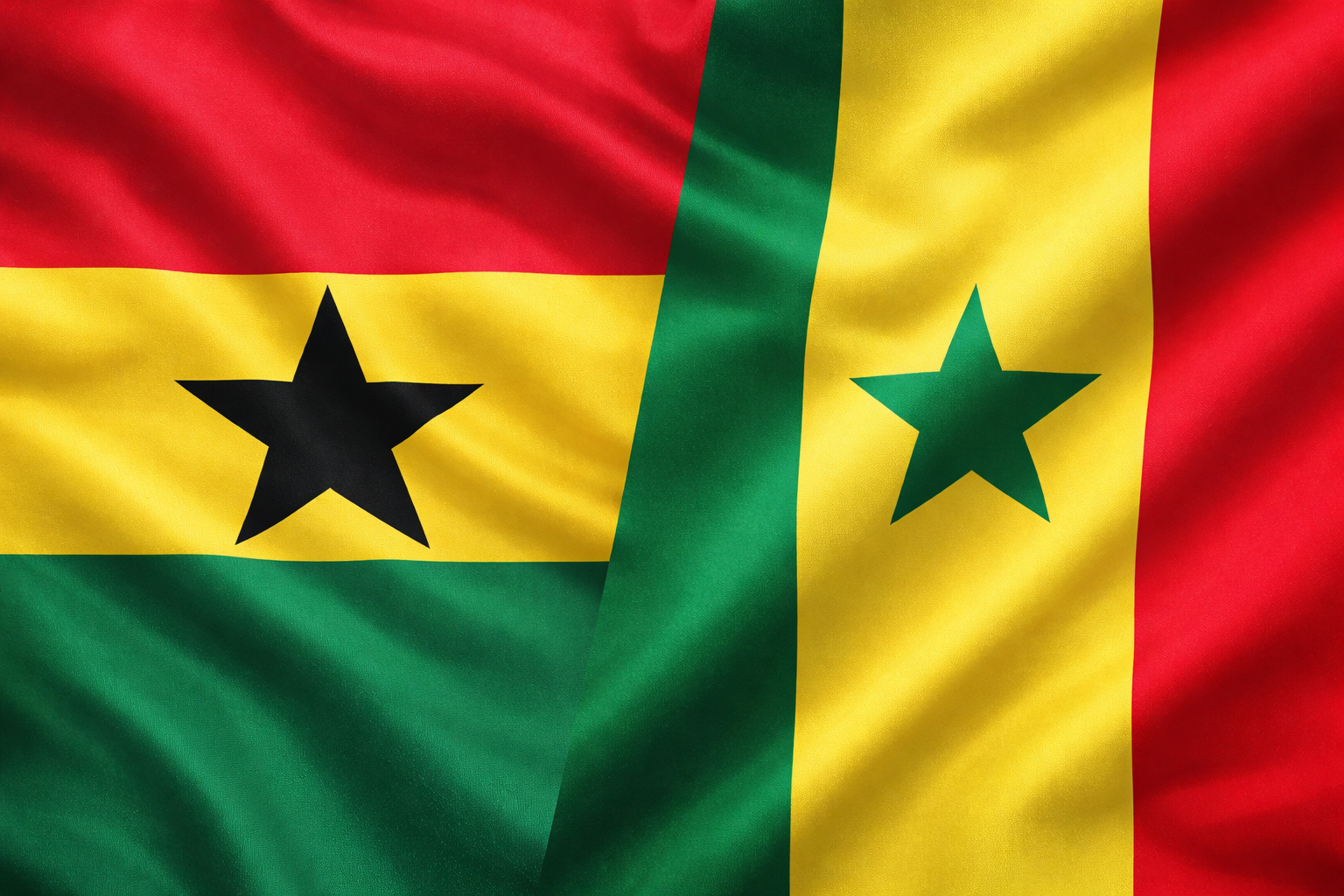

Equity Net Ghana, an organization committed to advancing minority rights, inclusion, and safety, observes with deep concern the emerging convergence of anti-LGBTQ legislative initiatives in West Africa. The proposed Human Sexual Rights and Family Values Bill in Ghana and recent amendments strengthening criminal penalties related to same-sex relations in Senegal reveal striking similarities in both scope and intent. In both cases, legislation moves beyond regulating conduct to criminalizing identity and advocacy, creating environments marked by exclusion, fear, and systemic vulnerability. These mirrored legal trajectories raise serious concerns about their broader implications for human dignity, public health, and democratic freedoms across the region.
Shared Legislative Frameworks
In Senegal, lawmakers have reinforced existing criminal provisions under Article 319 of the Senegalese Penal Code, introducing harsher prison sentences and financial penalties related to same-sex relations and the alleged “promotion” of LGBTQ rights. The scope of these measures extends beyond individuals to include perceived allies such as healthcare providers, activists, and civil society actors working with marginalized communities.
A similar legislative structure appears in Ghana’s proposed Human Sexual Rights and Family Values Bill. The bill introduces penalties that may include imprisonment for individuals identifying as LGBTQ and additional sanctions for those engaged in advocacy, education, or public support related to LGBTQ rights. By framing advocacy and support as criminal activities, both legal frameworks risk institutionalizing stigma and legitimizing discrimination under narratives of cultural preservation.
Parallel Impacts on Communities
The practical consequences of such legislation are not limited to legal penalties. In both countries, laws that criminalize identity or association often produce climates of fear and insecurity for LGBTQ individuals and their families. Evidence from similar contexts suggests that criminalization frequently correlates with increased harassment, social exclusion, and economic marginalization.
Individuals may face eviction from housing, workplace discrimination, and exclusion from family networks once their identities or perceived affiliations become grounds for legal or social punishment. Educational opportunities and access to essential services may also decline as individuals withdraw from public spaces to avoid exposure or legal risk.
These dynamics contribute to broader social fragmentation, reinforcing cycles of stigma that extend far beyond the intended targets of the legislation.
Public Health Implications
Public health experts have consistently warned that criminalization undermines effective healthcare delivery, particularly in relation to HIV prevention and treatment efforts. Data from global health institutions, including UNAIDS, indicates that environments characterized by legal stigma often drive vulnerable populations away from healthcare systems.
When individuals fear arrest, harassment, or social exposure, they are less likely to seek testing, counseling, or treatment services. This phenomenon weakens national health strategies and complicates efforts to achieve targets under United Nations Sustainable Development Goals, particularly SDG 3 (Good Health and Well-Being). For countries working to strengthen health infrastructure and public trust in healthcare institutions, the long-term consequences can be significant.
Implications for Civic Space and Democratic Freedoms
Beyond their impact on LGBTQ communities, these legislative developments raise broader concerns about the protection of civic space and democratic participation. Provisions that penalize advocacy or support activities risk constraining the work of journalists, educators, legal practitioners, and civil society organizations.
In Ghana, such provisions may intersect with constitutional protections, including those outlined in Article 21 of the 1992 Constitution, which guarantees freedom of expression and association, and Article 17, which affirms equality before the law. Similar tensions arise within Senegal’s constitutional and democratic frameworks.
By extending criminal liability to allies and advocates, these laws risk narrowing the space for open dialogue, public debate, and research on issues of human rights and social development. In the long term, such constraints can weaken democratic institutions and discourage civic participation.
A Regional Moment of Reflection
The parallel trajectories observed in Ghana and Senegal highlight a broader regional moment in which questions of law, culture, governance, and human rights intersect in complex ways. While legislative debates often reflect domestic political priorities, their consequences reverberate through societies, shaping social cohesion, public trust, and institutional legitimacy.
From a development perspective, policies that intensify social exclusion may also affect economic participation, international partnerships, and long-term social stability.
For West Africa, the challenge moving forward lies in navigating these debates in ways that preserve democratic values, uphold constitutional protections, and safeguard the dignity of all citizens.
As these legislative processes continue to evolve, careful scrutiny remains essential. Societies flourish when diversity is protected, civic dialogue is encouraged, and the fundamental rights of every individual are recognized as integral to national progress.