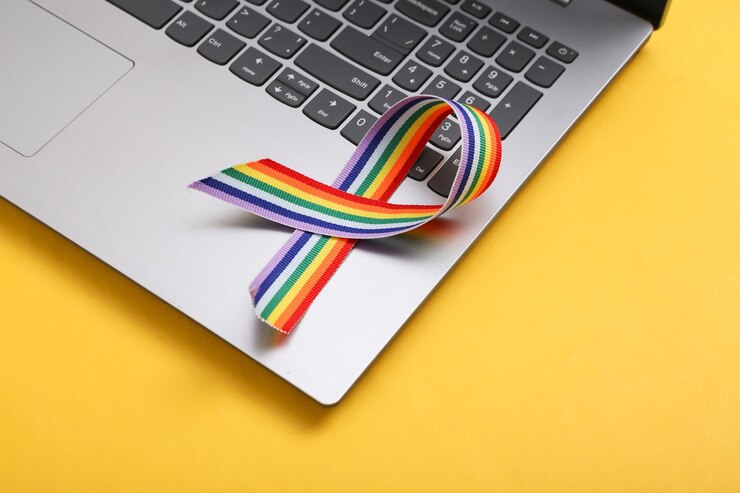

In today’s interconnected world, digital access is no longer optional, it is essential. For many marginalized communities in Ghana, particularly LGBTQ+ persons, persons with disabilities, and human rights defenders, the internet is more than a communication tool. It is a space for connection, education, advocacy, and at times, survival. Yet alongside its opportunities, the digital space also presents serious vulnerabilities. Digital safety, therefore, is not merely a technical concern; it is fundamentally a human rights issue.
Across Ghana, marginalized individuals face significant online threats, including harassment, hate speech, doxxing, blackmail, digital extortion, unauthorized sharing of private images, and targeted surveillance. For queer individuals especially, a compromised social media account or leaked personal information can have devastating real-world consequences. Exposure can lead to social stigma, violence, loss of employment, or rejection by family and community. In such contexts, digital insecurity quickly becomes physical and economic insecurity..
The ability to access and engage in safe digital spaces is directly connected to core human rights. The right to privacy, freedom of expression, freedom of association, access to information, and the right to dignity are all exercised increasingly online. When individuals withdraw from digital platforms out of fear, intimidation, or harassment, their voices are effectively silenced. This exclusion weakens civic participation and undermines democratic engagement. Global digital rights organizations such as Access Now have consistently emphasized that cybersecurity efforts must be grounded in human rights principles, particularly for communities facing systemic discrimination.
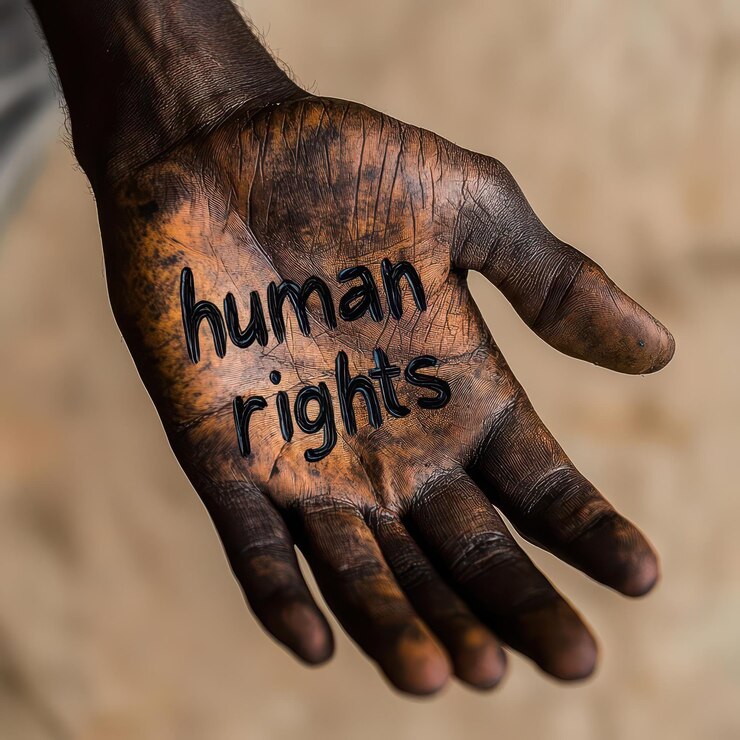
Digital inequality further intensifies these risks. Marginalized groups often experience a double burden: limited access to digital literacy and security training, combined with heightened exposure to targeted harassment and exploitation. Persons with disabilities may depend heavily on digital platforms for education, employment, and essential services, yet many systems lack accessible security tools. LGBTQ+ activists frequently rely on encrypted messaging applications to organize and communicate safely, but without adequate training, they remain vulnerable to phishing attacks, impersonation, and account takeovers. In this way, digital inequality increases digital risk.
Building safer digital communities requires more than encouraging strong passwords or basic online caution. It demands inclusive digital literacy training tailored to the realities of marginalized groups, broader awareness of secure communication tools and encryption, effective reporting systems for online abuse, and clear legal education around cybercrime protections. It also calls for sustained advocacy to ensure that national cybersecurity policies are rights-based and inclusive. At Equity Net Ghana, digital empowerment must be proactive, accessible, and rooted in dignity. When individuals understand how to protect their online identities, secure their devices, verify information, and report abuse, they reclaim agency over their digital lives.
Digital safety, however, cannot rest solely on individuals. Technology companies must enforce stronger protections against harassment and exploitation. Policymakers must prioritize cybersecurity frameworks that safeguard rights rather than restrict them. Civil society organizations must integrate digital protection into broader advocacy strategies. Communities themselves must cultivate cultures of consent, accountability, and respect in online spaces. The internet should be a space of opportunity and participation, not fear and exclusion.
As Ghana continues to expand its digital infrastructure and participation, inclusion must go beyond connectivity. True digital inclusion means ensuring that marginalized communities can access, navigate, and shape online spaces safely and confidently. Digital security is not a luxury reserved for a few. It is protection. It is dignity. It is a human right.