
Psychosocial Counseling & Crisis Support
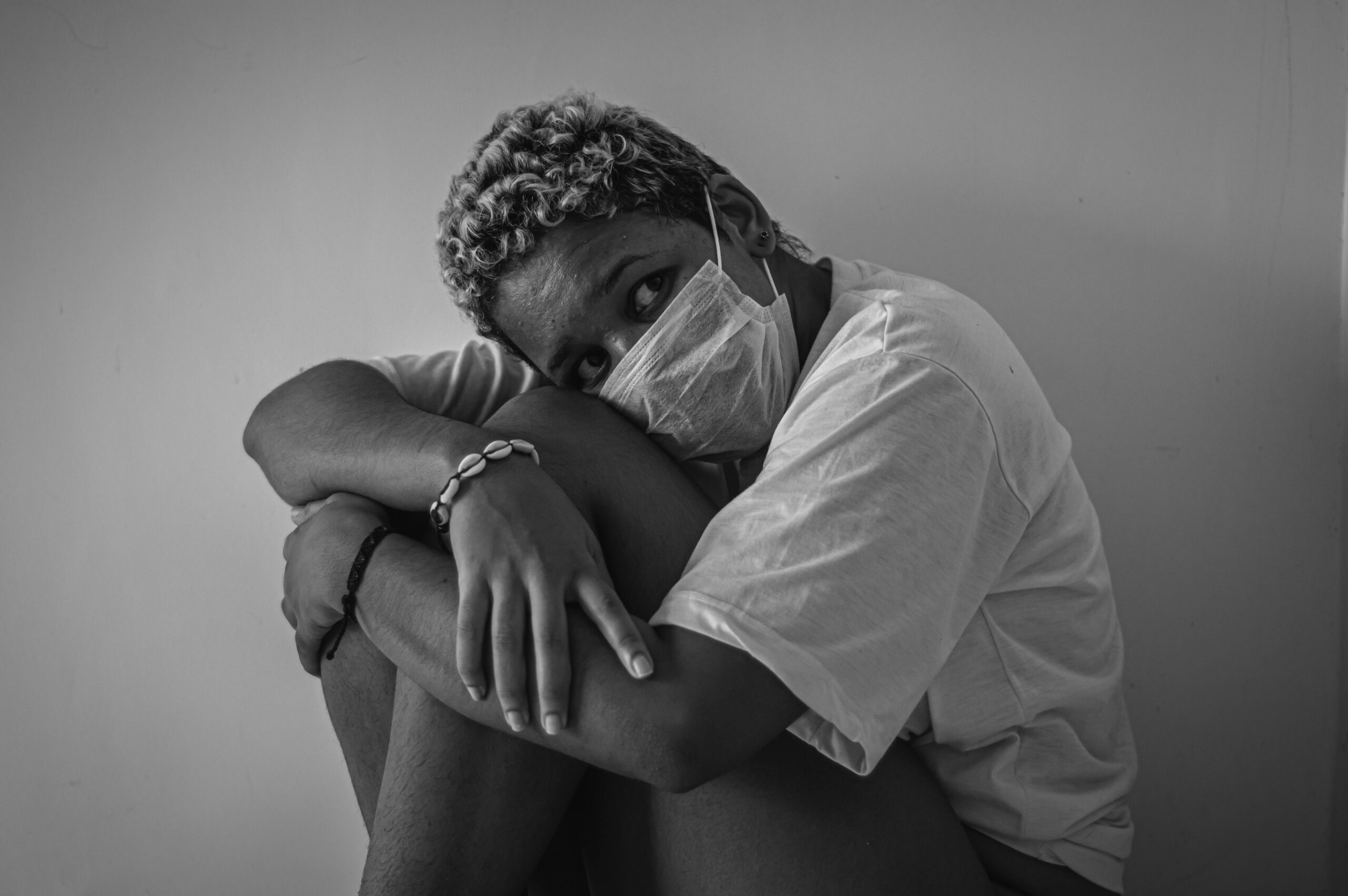
Trauma does not announce itself politely. It arrives in the middle of the night as a panic attack. It shows up as weeks of silence, withdrawal, inability to eat or sleep. It manifests as the person who seems fine on the outside but is slowly falling apart where no one can see. For marginalized individuals in Ghana, these experiences are not rare, they are routine. And access to affirming care is almost nonexistent.
Our Psychosocial Counseling & Crisis Support program exists to fill that gap. We provide professional, affirming mental health services specifically designed for people whose identities have been pathologized, criminalized, or rejected by mainstream support systems. Here, no one is told they are broken. Here, healing begins with being believed.
What We Offer
Our approach is rooted in affirmation, accessibility, and cultural sensitivity. We do not deliver one-size-fits-all therapy. We meet people where they are, emotionally, geographically, and financially and build care around their actual needs.
Individual Counseling: One-on-one sessions with trained, affirming therapists who understand the specific pressures, traumas, and realities facing marginalized communities. Sessions are confidential, non-judgmental, and available both in-person and virtually.
Peer Support Circles: Facilitated group sessions where community members come together in safe, structured spaces to share experiences, process emotions collectively, and build resilience through connection. These circles are led by trained peer facilitators who carry lived experience alongside professional skills.
Crisis Intervention: Immediate response for individuals in acute psychological distress, following an assault, after being outed, in moments of suicidal ideation, or during any emergency where someone needs support right now, not next week. Our crisis line connects people to a trained responder within hours.
Trauma Recovery Programs: Structured therapeutic programs for survivors of mob violence, sexual assault, family abuse, and prolonged persecution. These go beyond single sessions, providing sustained, guided support over weeks or months as individuals rebuild their sense of safety and self.
Psychiatric Referrals: When clinical support is needed beyond what counseling alone can provide, we connect individuals to vetted, affirming psychiatrists who can offer medication management, diagnostic support, and specialized care.
Why This Matters in Ghana
Mental health services in Ghana are already scarce. For marginalized communities, they are virtually inaccessible. Most providers lack training in affirming care. Many actively harm the people who seek their help, through conversion rhetoric, moral lectures, breach of confidentiality, or outright refusal to provide service.
The result is predictable: people do not seek help. They carry depression, anxiety, PTSD, and suicidal thoughts in silence, until the weight becomes unbearable. By the time many reach us, they have been carrying their trauma alone for months or years. Our job is to ensure the door is always open, the response is always immediate, and the care is always worthy of the person receiving it.
Since the passage of the Anti-Family Values Bill, the psychological burden on marginalized communities has intensified dramatically. Fear, hypervigilance, grief, and hopelessness have spiked. Our counselors report higher caseloads, more crisis calls, and more individuals presenting with acute distress directly tied to the legal climate. The need is not theoretical. It is here, it is growing, and it is urgent.
Mental Health Awareness & Stigma Reduction
Beyond direct service, we work to change how mental health is perceived within the communities we serve. In many spaces, seeking help is seen as weakness. Talking about emotions is discouraged. Suffering in silence is normalized.
We deliver community-based mental health awareness sessions that normalize conversations about wellbeing, break shame cycles, and educate people on recognizing signs of distress in themselves and others. These sessions create pathways, so that when someone is ready to seek help, they know it exists and they know how to reach it.
We also train peer counselors from within the community and individuals who can provide first-line emotional support, identify people in distress, and facilitate referrals to professional services. This model ensures that care is not dependent on formal institutions alone. It lives within the community, accessible at all times.
Our Commitment
Every person who reaches us deserves care that affirms their humanity, respects their identity, and meets their actual needs. We do not fix people. We walk alongside them, through the darkest moments and toward the light on the other side. That is what psychosocial support means to us. Not a service. A relationship built on dignity.
We are expanding our counseling capacity, training more peer supporters, and building virtual access so that no one, regardless of location, has to suffer alone. With support, we will ensure that affirming mental health care is not a privilege for the few, but a right accessible to all.